
The play-to-earn mobile game industry has grown quickly, from blockchain experiments to mass-market mobile gaming experiences. By 2026, mobile games that reward players in crypto, NFTs, and tokenized goods are already providing both compelling gameplay and real earning opportunities – whether a strategy RPG, NFT battler, or even a casual game with crypto payouts.
No matter your experience as a Web3 gamer or as a new entrant into the ecosystem, this guide has identified the most popular play-to-earn games on Android and iOS to this day, how they function, and how to take the time to filter through all of them to find the ones that are worth your time and money.
How the Play-to-Earn (P2E) Model Works
P2E games represent a significant change in monetization and game experience. Contrary to conventional free-to-play games, in which developers generate most of their revenue through advertisements and microtransactions, play-to-earn mobile games compensate players with assets that have tangible real-world value. These are typically in the form of non-fungible tokens (NFTs) like characters, items, and land, or in-game resources which can be sold or traded on open marketplaces.
Fundamentally, P2E games use blockchain technology to make digital assets truly their own. The players complete quests, engage in battles, explore worlds, or take part in tournaments to earn rewards. These rewards are typically tokenized – i.e., they are stored in a blockchain and are tradeable as commodities. The games also offer staking systems, where players can stake tokens to earn yields, or sell them at high prices through marketplaces where rare NFTs are traded.
One of the most critical benefits of the model is that players can earn money while playing and, in most cases, convert their digital assets into real money, depending on market conditions and demand. This mixture of leisure and financial gain makes P2E mobile games a compelling way to earn money, making them increasingly appealing to gamers worldwide. Nonetheless, not every game is created equal; thus, it is necessary to think twice before participating, considering tokenomics, the sustainability of rewards, and the credibility of creators.
18 Best Play-to-Earn Mobile Games in 2026 (Android & iOS)
The following are the most prominent and high-potential mobile play-to-earn games that are already active, trending, or set to grow in 2026. Every one of them is characterized by platform availability, main earning mechanisms, and who it is best suited for.
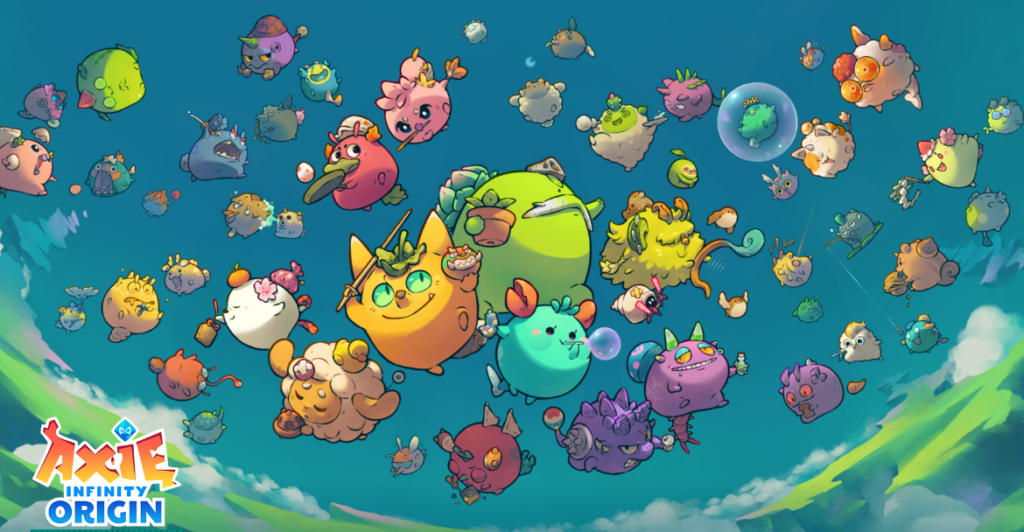
1. Axie Infinity Origins
Quick Summary:
- Genre: Strategy RPG
- Platform: Android, iOS
- Blockchain: Ronin
Why It’s Good/Popular:
Axie Origins is a polished mobile game based on the Axie Infinity universe, designed to help more consumers enter blockchain games without sacrificing competitive intensity. The game has the advantage of an enormous international following, excellent brand awareness, and frequent seasonal updates, which have made the gameplay dynamic. Its turn-based strategy-based combat, progressive balance system, and better onboarding as a free-to-play have enabled Axie Origins to be one of the most familiar in the play-to-earn ecosystem.
How Players Earn:
Gaming is rewarded through the PvP ranked matches, daily and seasonal challenges, and special in-game events. The earnings are allocated in the form of Smooth Love Potion (SLP), Axie Infinity Shards (AXS), and tradeable Axie NFTs, which can be marketed at the appropriate NFT marketplaces.
Earning Potential: High
Who It’s Best For: Novice and experienced P2E gamers who enjoy strategy and NFT collecting.
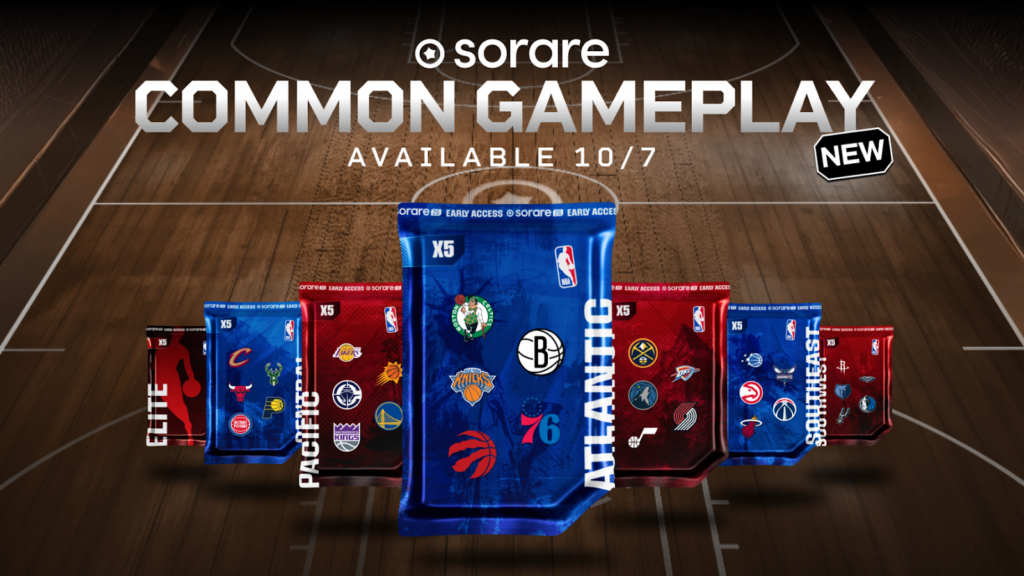
2. Sorare NBA/MLB
Quick Summary:
- Genre: Fantasy Sports
- Platform: Android, iOS, Web
- Blockchain: Ethereum
Why It’s Good/Popular:
In addition to its official partnerships with major sports leagues like the NBA and MLB, Sorare has built a strong reputation by introducing real-life athlete NFTs to the fantasy sports industry. Its authenticity, licensed data, and professional design make it stand out among most of the speculative blockchain games. Fantasy leagues with competitive and NFT ownership appeal to both serious collectors and sports fans.
How Players Earn:
Players make money by playing fantasy tournaments whose outcomes are based on the real-life performance of athletes. Other sources of income include selling NFT player cards in the exchange and winning rare card rewards in the competitions.
Earning Potential: Medium
Who It’s Best For: Competitive sports strategists and NFT collectors.
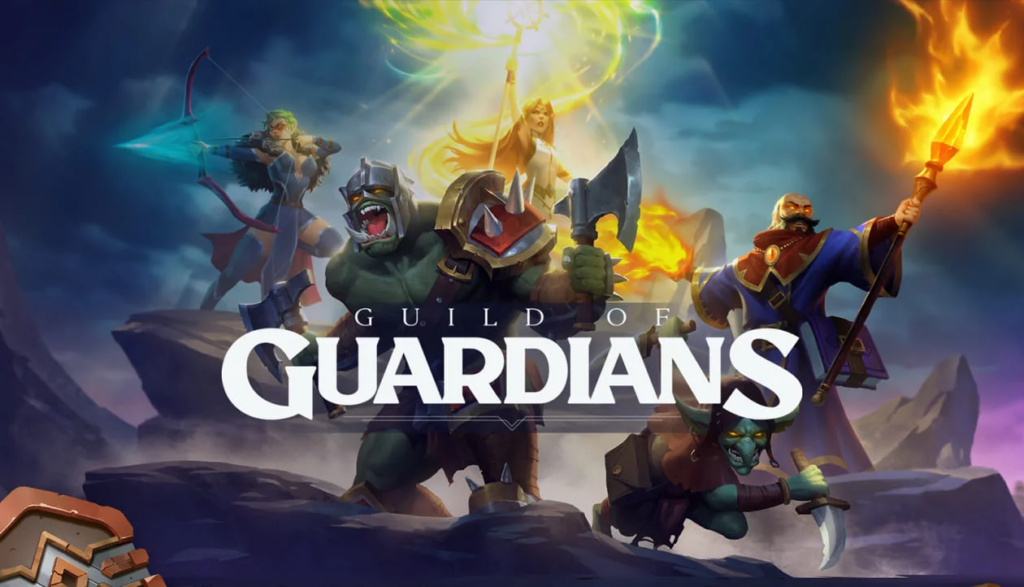
3. Guild of Guardians
Quick Summary:
- Genre: Action RPG
- Platform: Android, iOS
- Blockchain: Immutable X
Why It’s Good/Popular:
Guild of Guardians is a mobile dungeon-crawler that combines conventional features with a blockchain-based ownership system, developed by a reputable Web3 gaming studio. The game focuses on collaborative gameplay, refined graphics, and team-centered advancement, making it attractive to both ordinary mobile gamers and crypto users. The system of guilds promotes long-term involvement and social cooperation.
How Players Earn:
The players receive rewards in the form of dungeon runs, rewards on the leaderboard, and special events, which give NFT heroes, equipment, and in-game tokens. The NFTs, which are valuable, can be sold on marketplaces to generate additional income.
Earning Potential: High
Who It’s Best For: Mobile RPG fans and cooperative gamers.
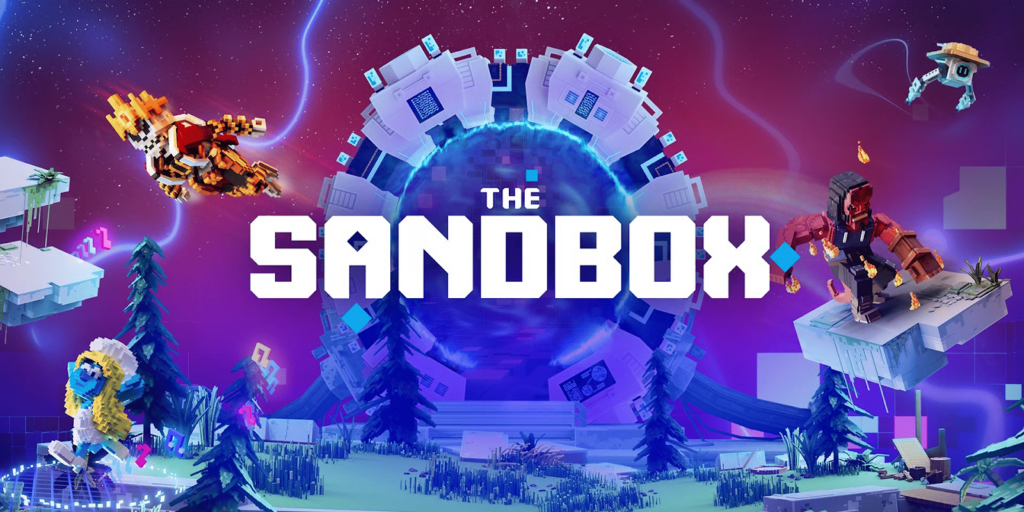
4. The Sandbox
Quick Summary:
- Genre: Metaverse / Sandbox
- Platform: Limited mobile access
- Blockchain: Ethereum
Why It’s Good/Popular:
The Sandbox is a relatively new product that features user-created content, virtual land ownership, and collaboration with major world brands. It has become one of the most powerful metaverse projects because of its creator-driven economy. But as the ecosystem is well established on desktop, it has not yet been fully proven or implemented on mobile, fully utilizing its play-to-earn features.
How Players Earn:
Monetization is mainly based on land ownership, NFT asset creation, and hosting experiences, which are optimized for desktop rather than mobile at present.
Earning Potential: Medium
Who It’s Best For: Creators, builders, and community-driven players.
5. Gods Unchained
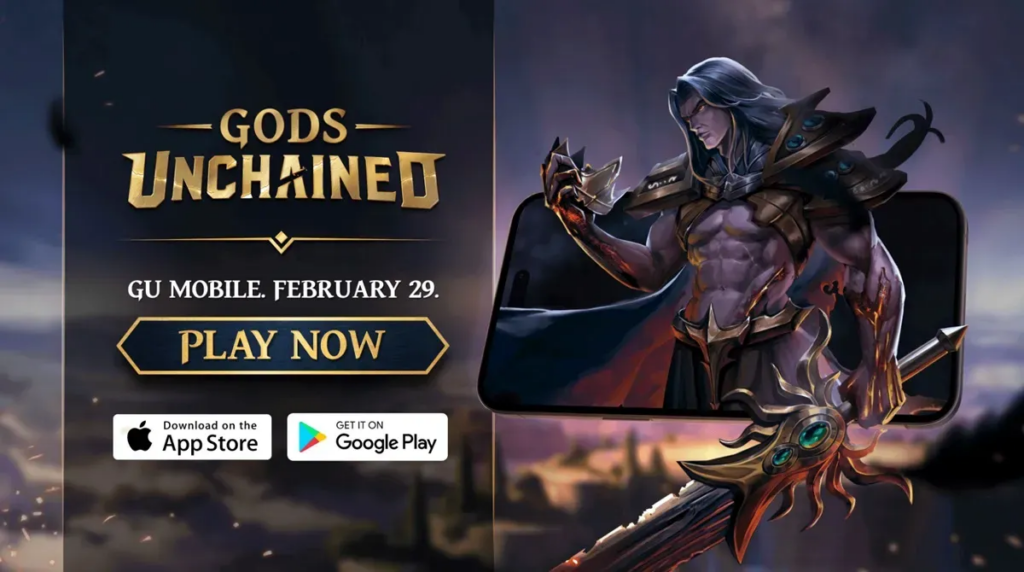
Quick Summary:
- Genre: Trading Card Game
- Platform: Limited mobile / Web
- Blockchain: Immutable X
Why It’s Good/Popular:
Gods Unchained is characterized by expert gameplay and a fair competitive atmosphere, unlike many card games that feature pay-to-win mechanics. It has gained respect among competitive players for its appeal in esports, excellent balance design, and ownership of the actual card, though it has not yet been fully released as a mobile game.
How Players Earn:
Participants receive tokens in the form of $GODS, earned through ranked games, tournaments, and the sale of valuable NFT cards on secondary markets.
Earning Potential: Medium
Who It’s Best For: Competitive card game players.
6. Chainmonsters
Quick Summary:
- Genre: Creature RPG
- Platform: PC and MAC
- Blockchain: Flow
Why It’s Good/Popular:
Chainmonsters is an interesting project because it features Pokémon-style gameplay and aims to help players own NFT monsters. It offers open-world exploration and collecting mechanics that are very attractive to collectors, but it also has limited mobile earning options.
How Players Earn:
The players’ primary revenue streams are NFT creature buying and gameplay, and mobile income is a developing area.
Earning Potential: Low to Medium
Who It’s Best For: Collectors and RPG fans.
7. Walken (Move & Earn Hybrid)
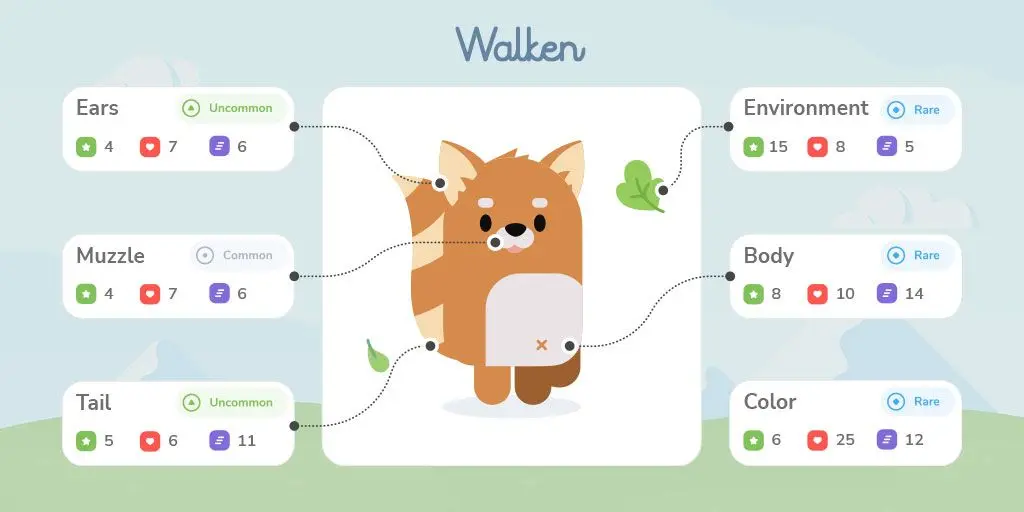
Quick Summary:
- Genre: Move-to-Earn / Casual
- Platform: Android, iOS
- Blockchain: Solana
Why It’s Good/Popular:
Walken is an app that combines fitness tracking and blockchain payments, making it easier to earn rewards even if you are not a gamer. Its high health-conscious nature and low skill level have contributed to its popularity among casual users.
How Players Earn:
Users can receive tokens by walking, completing tasks, and upgrading NFT characters in the game.
Earning Potential: Low
Who It’s Best For: Casual players and fitness enthusiasts.
8. Sweat Economy
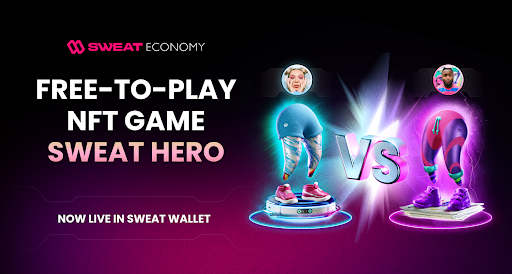
Quick Summary:
- Genre: Move-to-Earn
- Platform: Android, iOS
- Blockchain: NEAR
Why It’s Good/Popular:
The positive aspect is that Sweat Economy has a large base of existing users and aims to reward real-world physical activity rather than conventional gameplay. It is readily available due to its simplicity and integration into everyday life.
How Players Earn:
Walking transforms the steps into SWEAT, which may be exchanged in the ecosystem or traded.
Earning Potential: Low
Who It’s Best For: Non-gamers and lifestyle users.
9. Hero Blaze: Three Kingdoms
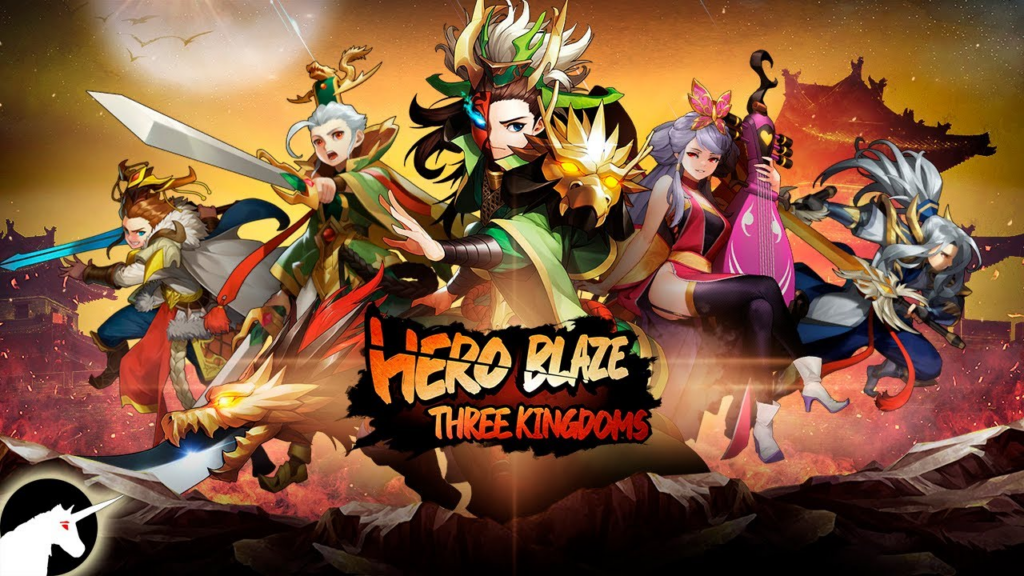
Quick Summary:
- Genre: RPG
- Platform: Android
- Blockchain: BNB Smart Chains
Why It’s Good/Popular:
The game combines Three Kingdoms lore with RPG development and will appeal to lovers of historical fantasy. Nonetheless, blockchain and earning mechanics lack complete transparency.
How Players Earn: Other possible revenue streams are NFT heroes and event-based rewards.
Earning Potential: Low
Who It’s Best For: Lore-focused RPG players.
10. Mayhem: Alien Worlds
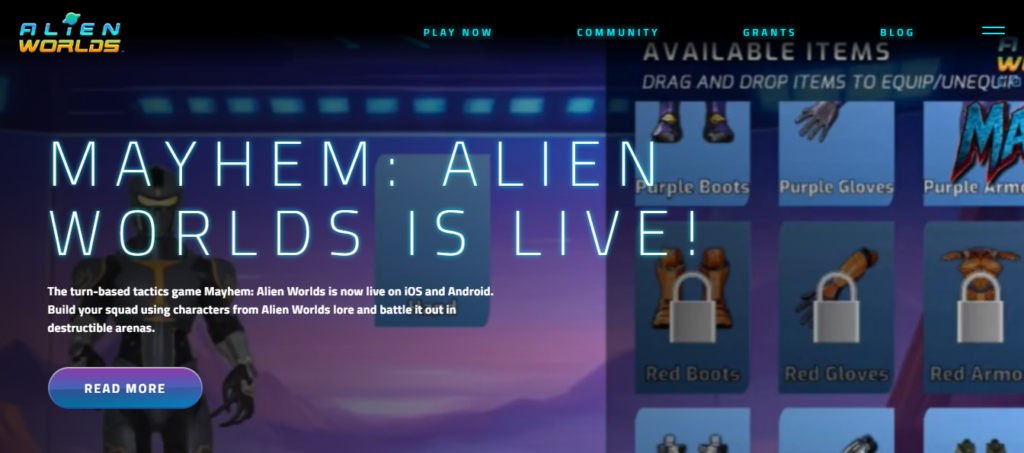
Quick Summary:
- Genre: Mining / Strategy
- Platform: Android, iOS, and Web
- Blockchain: WAX
Why It’s Good/Popular:
Alien Worlds is among the oldest P2E games, features DAO governance and passive mining, and is attractive to long-term players.
How Players Earn:
Players find TLM tokens and exchange NFT tools and land.
Earning Potential: Medium
Who It’s Best For: Onlookers and Dao enthusiasts.
11. Upland

Quick Summary:
- Genre: Metaverse / Property
- Platform: Android, iOS, and Web
- Blockchain: EOS
Why It’s Good/Popular:
Unlike other blockchain games, Upland simulates real-life places in a virtual property economy. The number of users and its constant updates maintain its high engagement levels.
How Players Earn:
Revenues are generated from property trading, collections, and UPX rewards.
Earning Potential: Medium
Who It’s Best For: Online real estate investors.
12. League of Kingdoms
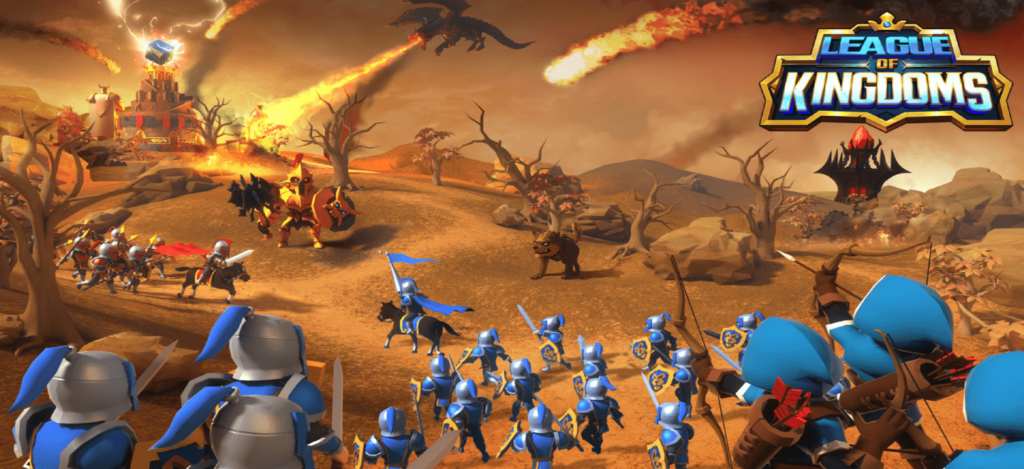
Quick Summary:
- Genre: Strategy MMO
- Platform: Android, iOS, and Web
- Blockchain: Ethereum
Why It’s Good/Popular:
League of Kingdoms blends classic mobile strategy gameplay, blockchain ownership, and decentralized autonomous organizations, offering depth and long-term development.
How Players Earn:
NFTs of land, staking, PvP, and governance tokens.
Earning Potential: Medium
Who It’s Best For: Long-term and strategy gamers.
13. MOBOX
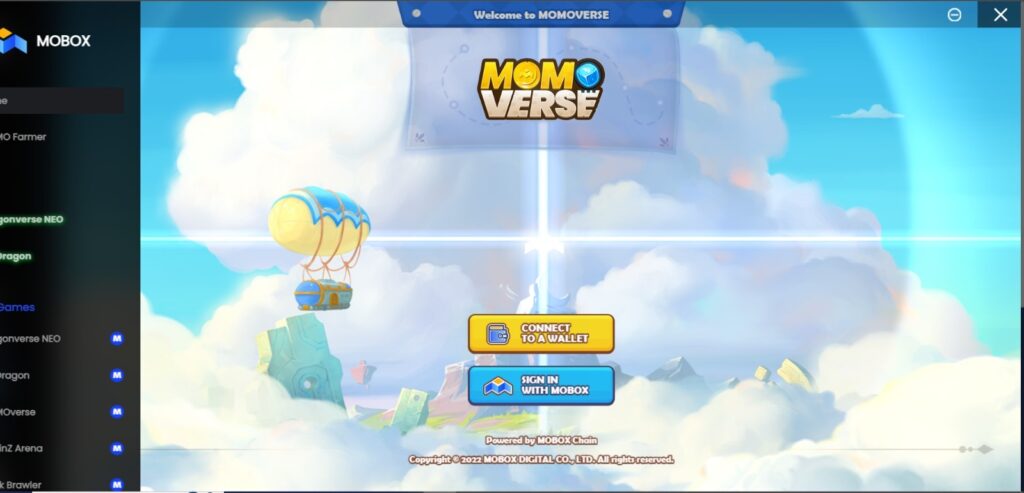
Quick Summary:
- Genre: Casual / DeFi Gaming
- Platform: Android, iOS
- Blockchain: BNB Chain
Why It’s Good/Popular:
MOBOX combines DeFi mechanics and casual gaming, without a central game, offering a series of mini-games.
How Players Earn:
MBOX tokens by means of gameplay, NFT farming, and staking.
Earning Potential: Medium
Who It’s Best For: Casual gamers and DeFi users.
14. CryptoBlades
Quick Summary:
- Genre: RPG
- Platform: Web
- Blockchain: BNB Chain
Why It’s Good/Popular:
CryptoBlades that were initially very popular were affected by economic imbalances and token inflation, which undermined the sustainability of long-term earnings.
How Players Earn:
SKILL tokens through fighting missions and NFT weapon trading.
Earning Potential: Low
Who It’s Best For: High-risk P2E experimenters.
15. Big Time
Quick Summary:
- Genre: Action RPG
- Platform: Limited mobile
- Blockchain: Ethereum
Why It’s Good/Popular:
It is praised for its AAA-quality visuals and immersive action gameplay, but full mobile support has yet to be implemented.
How Players Earn:
Cosmetic Non-Fungible Tokens, loot drops, and event rewards.
Earning Potential: Medium
Who It’s Best For: Hardcore action RPG players.
16. Illuvium Zero
Quick Summary:
- Genre: Strategy / Builder
- Platform: Android, iOS, and PC
- Blockchain: Ethereum
Why It’s Good/Popular:
Illuvium Zero is a strategic node in the Illuvium ecosystem focused on land management and resource production.
How Players Earn:
Terrestrial resource and production NFT.
Earning Potential: Medium
Who It’s Best For: Existing Illuvium players.
17. Pixels
Quick Summary:
- Genre: Social MMO / Farming
- Platform: PC
- Blockchain: Ronin
Why It’s Good/Popular:
Pixels is more community-based, less competitive, and more relaxed than other kinds of games.
How Players Earn:
It features daily quests, resource trades, and rewards in $PIXELS tokens.
Earning Potential: Low to Medium
Who It’s Best For: Casual and social gamers.
How to Evaluate a Play-to-Earn Mobile Game Before You Invest Time or Budget
It is essential to know whether a play-to-earn mobile game is worth the time and money before actively playing it. The first thing you want to do is to analyze tokenomics, the way the in-game currency works. Sustainable token economies compensate players fairly without causing high inflation or asset devaluation. Second, consider the gameplay quality: a P2E game should be fun even without rewards. Fun games initially have higher retention rates, which sustain active communities, which uphold earned assets.
Another important factor is team credibility. Games developed by well-known studios or backed by seasoned blockchain creators are more secure and trustworthy. Look at transparency, frequent updates, and the roadmap. Examine sustainability by examining how rewards are allocated and whether the game can balance earning potential with long engagement. Lastly, beware of red flags, including unrealistic earnings promises, overly complex withdrawal processes, or communities that are not maintained. With these practical factors in mind, both novices and seasoned gamers can make the right choice and avoid risky projects.
The Subtle Difference Between Play-to-Earn vs Play-to-Own
Many gamers confuse play-to-earn and play-to-own, though there is a significant difference between the two. In play-to-earn games, users receive rewards in the form of cryptocurrency, tokens, or NFTs. It is all about earning, usually through accomplishing missions, winning battles, or participating in tournaments. These rewards may have a physical value insofar as the assets are traded or sold on marketplaces.
Play-to-own, on the contrary, focuses on absolute ownership of in-game assets. Characters, land, or items, usually in the form of NFTs, are owned by players in full, and players can sell, lease, or utilize them across numerous platforms. Numerous 2026 Web3 games combine the two models, allowing players to receive rewards while remaining the actual owners of their assets. Awareness of this difference can help players make strategic decisions about which games to invest in, whether to maximize revenue, find rare items, or simply enjoy the benefits of ownership.
Wrapping It Up
In 2026, the mobile play-to-earn environment will offer a wide variety of gameplay and rewards to help players have a high-quality experience and earn real-life benefits. Strategy RPGs and collectible card games, all the way to move-and-earn fitness hybrids, have titles available to any sort of player. By learning how to play the games, understanding the tokenomics, and distinguishing between play-to-earn and play-to-own, players can make a wise choice that is fun, challenging, and profitable. Whether you’re an amateur player, a professional strategist, or an NFT player, the best P2E mobile games of 2026 offer something to play, earn, and discover in the emerging Web3 gaming space.
Frequently Asked Questions
Are mobile games based on play-to-earn really profitable?
It is true: some games use tokens, or non-fungible tokens, and other blockchain-based tokens that can be traded or sold for real money. The game, the player’s skill, and market demand determine profitability.
In which devices do P2E mobile games operate?
The vast majority of the best titles are compatible with Android and iOS platforms. Others might need extra applications or crypto wallets to handle tokens.
Are play-to-earn mobile games safe to play?
Games developed by trusted developers, open teams, and proven blockchain networks are usually safe. Programs that make unrealistic earnings claims or unverified asset claims should be avoided.
What types of rewards do P2E games typically offer?
The incentives typically include cryptocurrency tokens, NFTs (characters, items, land), staking returns, or tradable marketplace assets.
Do I need a wallet to play P2E games and earn rewards?
Yes, it is generally necessary to have a crypto wallet to store tokens and NFTs earned in the game. There are games with built-in wallets for new players.
What is the highest-paying play-to-earn game?
Revenue per game and market trends, but games such as Big Time Mobile, Guild of Guardians, and Axie Origins are considered to offer more substantial rewards, with stronger economies, NFT drops, and tourism.