
In an industry where fortunes can rise and fall overnight, the voices that shape the narrative matter just as much as the technology itself. Crypto journalists are the storytellers, investigators, and analysts who translate blockchain’s complexity into clarity, turning technical breakthroughs and regulatory battles into stories that resonate globally. Their reporting doesn’t just inform; it influences investor sentiment, drives public perception, and often sets the tone for entire market cycles.
From breaking news on token launches and SEC rulings to deep dives into DeFi, NFTs, and real-world asset adoption, these journalists act as the bridge between innovation and understanding. They hold projects accountable, spotlight emerging trends, and provide the context that helps both newcomers and seasoned investors navigate the ever-evolving crypto landscape.
This curated list of the Top 11 Crypto Journalists to Follow in 2026 brings together the most influential voices shaping the industry today. By following their work, readers gain access to trusted insights, credible analysis, and the narratives that will define the next chapter of Web3. Whether you are building a project, investing in digital assets, or simply curious about the future of finance, these journalists are the guides you can rely on.
Best Crypto Journalists to Follow in 2026
Here is a curated list of the top 11 crypto journalists to follow in 2026, along with the criteria used to select them. This guide highlights their platforms, expertise, and contributions to help you stay ahead in the fast-evolving crypto landscape. The following criteria were applied to curate this list:
- Credibility & Track Record: Years of consistent reporting in crypto, blockchain, and fintech. Recognition by major media outlets or industry leaders.
- Platform & Reach: Current role at leading publications, podcasts, or independent media platforms. Influence across social media and crypto communities.
- Expertise & Focus Areas: Specialization in policy, regulation, DeFi, NFTs, GameFi, institutional adoption, or AI-crypto intersections. Ability to simplify complex topics for diverse audiences.
- Major Contributions: Books, investigative reports, or groundbreaking coverage that shaped public understanding. Participation in conferences, panels, and thought leadership initiatives.
- Accessibility & Verified Sources: Active profiles, newsletters, or podcasts with verified links for readers to follow.
1. Eleanor Terrett

Eleanor Terrett has established herself as one of the most trusted voices in U.S. crypto journalism. Formerly with Fox Business, she now hosts Crypto In America, an independent podcast that dives deep into regulatory developments and policy debates shaping the industry. Known for her sharp coverage of the SEC and CFTC, Terrett has become a go-to source for insights into how government actions affect the crypto landscape.
Industry leaders have recognized her reporting, and she continues to provide accessible analysis for both retail investors and institutional audiences. You can follow her work through her Beluga Spotlight profile.
2. Leigh Cuen

Leigh Cuen is a California-based journalist whose work spans crypto adoption, fintech, and community-driven media. She co-founded the Association of Cryptocurrency Journalists and Researchers (ACJR) and Des Femmes, a platform highlighting women in crypto. Cuen’s reporting has appeared in Forbes, TechCrunch, Vice, and Al Jazeera, making her one of the most versatile voices in the space.
Her ability to blend human-interest storytelling with technical insights has made her a respected figure in both mainstream and crypto-native circles. Readers can explore her latest contributions on her Forbes profile.
3. Laura Shin

Laura Shin is widely regarded as one of the pioneering journalists in crypto. She was the first mainstream reporter to cover blockchain and digital assets full-time. As the host of the Unchained podcast, Shin has interviewed numerous industry leaders, providing listeners with unparalleled access to the minds shaping Web3.
Her book The Cryptopians provides a definitive account of Ethereum’s early history, cementing her role as a chronicler of crypto’s evolution. Shin’s investigative reporting continues to influence the industry, and her work is available on the Unchained website.
4. Camila Russo

Camila Russo is the founder and CEO of The Defiant, a leading media platform covering decentralized finance (DeFi). A former Bloomberg journalist, Russo authored The Infinite Machine, the first book chronicling Ethereum’s creation and rise. Her reporting combines financial expertise with a deep understanding of emerging markets, making her a key voice in DeFi coverage.
Russo’s work has helped shape the narrative around Ethereum and decentralized finance, and she remains a central figure in educating audiences about the future of blockchain. More about her is available on her official site.
5. Olga Kharif
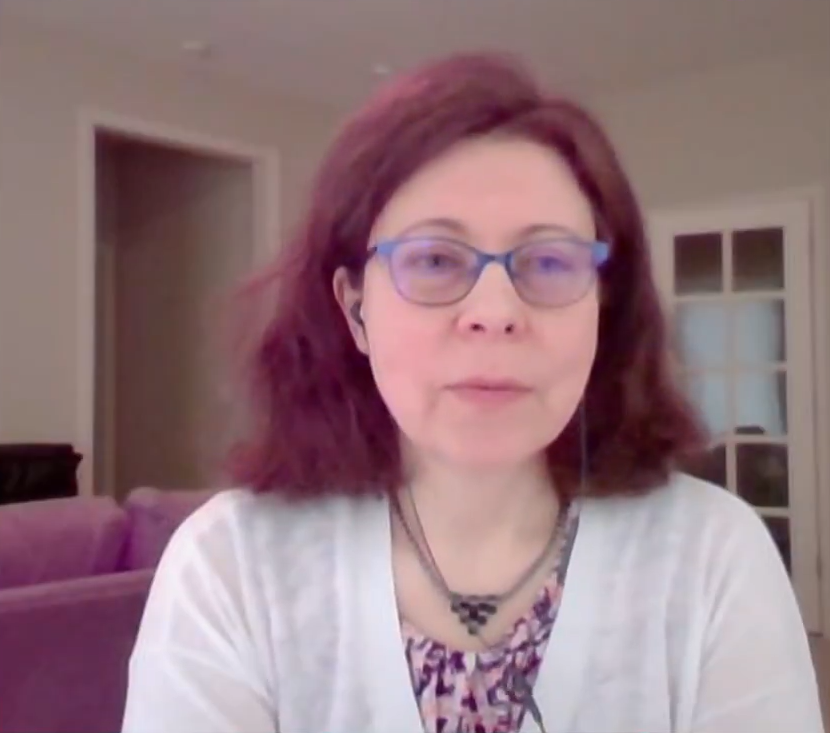
Olga Kharif is a senior reporter at Bloomberg who has covered crypto since its earliest days of mainstream adoption. Her reporting focuses on market structure, regulation, and tokenized securities, often breaking stories that influence institutional perspectives.
Kharif has written extensively about Coinbase, Ripple, and the rise of tokenized IPOs, making her one of the most authoritative voices in financial journalism. Her work continues to bridge the gap between Wall Street and crypto, and her articles are available on her Bloomberg author page.
6. Michael Del Castillo

Michael Del Castillo has built a reputation as a leading journalist covering institutional adoption of blockchain. Formerly an editor at Forbes, he co-founded ACJR and played a pivotal role in creating the Forbes Blockchain 50 list, which highlights the most influential companies in the space.
Del Castillo’s reporting often explores enterprise use cases, regulatory challenges, and the intersection of blockchain with traditional finance. Today, he continues to consult and write independently, offering insights into how blockchain is reshaping global markets. His professional background is detailed on his personal website.
7. Nathaniel Popper

Nathaniel Popper is an editor at Bloomberg and the author of Digital Gold, one of the most influential books on Bitcoin’s history. His work has chronicled the rise of cryptocurrency from its cypherpunk roots to Wall Street adoption, making him a key figure in documenting the industry’s evolution.
Popper’s reporting blends historical context with sharp analysis, and his more recent work explores the cultural and financial impact of crypto. His contributions continue to shape mainstream understanding of digital assets; more information is available on his official website.
8. Jeff Kauflin

Jeff Kauflin is a senior editor at Forbes, where he covers fintech, digital banking, and cryptocurrency. His reporting often focuses on the intersection of finance and technology, providing readers with insights into how crypto is reshaping traditional financial systems.
Kauflin has co-edited Forbes’ Fintech 50 list, which highlights the most innovative companies in the sector. His work is widely respected for its clarity and accessibility, making complex financial topics understandable to a broad audience. Readers can follow his reporting on his Forbes profile.
9. Caleb Silver

Caleb Silver is the Editor-in-Chief at Investopedia and host of The Investopedia Express podcast. With a background in financial journalism, Silver has increasingly focused on crypto markets, offering analysis on Bitcoin adoption and broader digital asset trends. His coverage of events such as the Bitcoin 2025 Conference underscores his role in bridging traditional finance with the crypto world.
Silver’s insights are particularly valuable for retail investors seeking to understand how crypto fits into broader market dynamics. His latest work is available on Investopedia.
10. Cade Metz

Cade Metz is a technology reporter at The New York Times and the author of Genius Makers, a book on artificial intelligence. While his primary focus is AI, Metz has increasingly covered the intersection of AI and crypto, exploring how emerging technologies converge to shape the future of finance and digital assets.
His reporting offers a unique perspective on how blockchain and AI are influencing one another, making him a valuable voice in understanding the broader tech ecosystem. His articles are available on his NYT author page.
11. Jeff John Roberts

Jeff John Roberts is the Finance & Crypto Editor at Fortune and the author of Kings of Crypto, which chronicles Coinbase’s rise. Roberts has long been a respected journalist covering corporate adoption of crypto, legal frameworks, and the business strategies driving blockchain innovation.
His reporting at Fortune includes the Crypto Playbook, a resource for readers navigating the complexities of digital assets. Roberts’ work continues to shape mainstream understanding of crypto’s role in global finance, and more information about him is available on his personal website.
How Top Journalists Can Supcharge Your PR Strategy
Crypto journalists are not just reporters; they are narrative architects. By engaging with them strategically, your PR efforts can amplify credibility, influence investor behavior, and position your project at the forefront of industry trends. Here is a structured explanation of how top crypto journalists can supercharge your PR strategy by shaping narratives, influencing sentiment, and driving credibility in the industry:
- Breaking News Drives Immediate Market Sentiment: Journalists are often the first to report regulatory updates, exchange hacks, or token launches. Their coverage can trigger instant market reactions, influencing investor confidence and price movements. For example, a breaking headline about SEC approval of a Bitcoin ETF can spark bullish sentiment across the market.
- Analysis Provides Context and Authority: Beyond headlines, journalists offer in-depth analysis that helps audiences interpret complex developments. Their insights determine whether an event is viewed as a positive innovation or a regulatory risk. PR teams benefit when journalists contextualize a project’s role in broader industry trends, reinforcing credibility.
- Interviews Humanize Projects and Leaders: By interviewing founders, developers, and investors, journalists put a human face on blockchain projects. These conversations build trust and relatability, making technical innovations accessible to mainstream audiences. A well-placed interview can shift perception from hype to legitimacy, especially when published in respected outlets.
- Storytelling Shapes Long-Term Narratives: Journalists craft narratives that define how projects are remembered, whether as pioneers, disruptors, or cautionary tales. Their storytelling can elevate a brand from a token to a movement within Web3. PR strategies aligned with these narratives can amplify reach and ensure consistent messaging.
Positive coverage often attracts new investors, while critical reporting can deter participation. Journalists act as gatekeepers of credibility, influencing whether investors see a project as trustworthy or risky. Their framing of token launches, partnerships, or compliance efforts directly affects capital inflows and market adoption.
Coverage in respected outlets like Bloomberg, Forbes, or The Defiant signals legitimacy and transparency. Journalists highlight whether projects align with regulatory standards, reassuring institutional players. Negative coverage, such as exposing scams or failed promises, can damage credibility overnight, underscoring the need for proactive PR.
Journalists collectively shape the macro narrative of crypto adoption. Their reporting influences how policymakers, enterprises, and the public perceive blockchain’s role in finance, gaming, and beyond. By spotlighting emerging sectors (DeFi, GameFi, RWAs), they accelerate adoption curves and set the agenda for future innovation.
Best Practices for Engaging With Crypto Journalists
Engaging with crypto journalists is about building credibility, offering value, and respecting their craft. A thoughtful, well-prepared pitch, combined with long-term relationship-building, can transform your PR strategy, turning coverage into influence and influence into trust. Here is a structured guide to best practices for engaging with crypto journalists, designed to help projects, founders, and PR teams maximize credibility and coverage in the fast-moving Web3 space:
- Crafting a Newsworthy Pitch: When reaching out to crypto journalists, the most important step is to ensure the pitch feels timely and relevant. Journalists are constantly flooded with stories, so your pitch needs to stand out by connecting directly to current industry trends such as regulation, DeFi growth, or tokenized assets. It should clearly explain why the announcement matters now rather than waiting months. Keep the message concise, with a strong subject line and a short but impactful summary. Adding data, proof points, or expert commentary strengthens the pitch and gives journalists confidence that the story is worth covering.
- Providing Clear and Accurate Information: Transparency is the foundation of credibility. When engaging with journalists, avoid hype or exaggeration and instead focus on delivering clear, accurate information. Technical details should be simplified into accessible language without losing precision, ensuring that even complex innovations are easy to understand. Supporting materials, such as fact sheets, white papers, or links to verified sources, help journalists fact-check quickly and efficiently. Anticipating tough questions, particularly around compliance, risks, or long-term sustainability, shows preparedness and builds trust.
- Building Long-Term Relationships: Successful PR isn’t just about one-off coverage; it’s about cultivating relationships that last. Engage with journalists beyond the pitch by sharing insights, commenting on their articles, and building rapport on platforms such as X (formerly Twitter) or LinkedIn. Treat them as partners in storytelling rather than simply amplifiers of press releases. Offering exclusives or early access to information can strengthen trust and position your project as a reliable source. Consistency is key; keep journalists updated on progress and milestones, not just during major launches.
- Understanding Their Deadlines: Crypto journalism moves at the speed of the market, which means deadlines are often tight. Understanding a journalist’s rhythm helps you align your outreach with their schedule. Responding quickly to inquiries is critical, as delays can cause your story to be dropped. Providing embargoed information is a smart way to give journalists time to prepare thoughtful coverage while still ensuring timely publication. Avoid last-minute chaos by sharing materials well in advance of major announcements or events.
- Avoiding Common Mistakes: Several pitfalls can undermine your outreach efforts. Generic mass emails are easily spotted and often ignored, so personalization is essential. Overhyping or making vague claims without evidence is another red flag that damages credibility. It is also important to respect a journalist’s beat. Don’t pitch DeFi stories to someone who primarily covers regulation or NFTs. Following up respectfully is fine, but spamming will harm your reputation. Finally, always fact-check your materials before sending them; even small errors can erode trust and lead to negative coverage.
Final Thoughts
In the fast-moving world of crypto, where narratives shift daily, and market sentiment can swing in minutes, credible journalism is more than just reporting; it is a stabilizing force. The journalists highlighted in this guide are not only storytellers but also gatekeepers of trust, translating complex developments into accessible insights and holding projects accountable through investigative work. Their breaking news, analysis, and interviews shape how investors, regulators, and the public perceive the industry, influencing both short-term market behavior and long-term adoption trends.
For projects and professionals, following these voices ensures alignment with the most accurate and influential perspectives in the space. For everyday readers, it provides a safeguard against misinformation and hype, offering clarity in an often noisy environment. By staying informed through trusted journalists, you gain not only knowledge but also foresight, an edge in understanding where crypto is headed and how it will continue to evolve.
Ultimately, credible journalism is the bridge between innovation and public trust. Engaging with and learning from these journalists is not just about keeping up with headlines; it is about participating in the broader story of how blockchain and digital assets are reshaping our world. Stay connected, stay critical, and let these trusted voices guide your journey through the ever-changing crypto landscape.
Frequently Asked Questions
Why should crypto businesses care about top journalists in the industry?
Crypto businesses should care about top journalists because their reporting shapes public perception, influences investor confidence, and establishes project credibility. Through breaking news, analysis, and storytelling, journalists drive industry narratives, amplify visibility, and impact market sentiment, making trusted media voices essential for sustainable growth and long-term success in Web3.
What types of stories are crypto journalists most interested in?
Crypto journalists are most interested in stories that reveal regulatory developments, market-moving events, innovative projects, and industry trends. They value exclusives, data-driven insights, and human-centered narratives, such as founder interviews or community impact stories. Clear, timely, and credible stories that connect to broader financial or technological shifts gain the most traction.
Do crypto journalists cover token launches or price movements?
Yes, crypto journalists frequently cover token launches and price movements, but they focus on context and credibility. Their reporting highlights market impact, investor sentiment, and regulatory implications, ensuring readers understand whether a launch signals innovation or risk. Coverage often blends breaking news with analysis to shape industry perception.
How do I vet journalists for my project?
Vet crypto journalists by reviewing their past work, credibility, and alignment with your project’s focus. Check the publication history, accuracy, and tone to ensure they avoid hype. Verify their audience reach, industry reputation, and consistency. Prioritize journalists with transparent reporting and proven expertise in blockchain or fintech.